
Ever had that sinking feeling when you check your Google Maps ranking, only to find your Cleveland-based business lingering on the second page, invisible to local customers? I’ve been there—thinking I had my SEO game figured out, only to watch my maps visibility plummet without warning. That lightbulb moment hit hard: I was targeting the wrong signals, and proximity-based checks are more complex than ever in 2026. How many times have I wasted hours tweaking my listings when the real problem was a subtle shift in Google’s local algorithm? If you’re nodding along, you’re not alone. Many local businesses struggle because they don’t understand how proximity checks are evolving, and as a result, they bleed potential customers every day. Today, I promise to share what I’ve learned about these changes—and more importantly, how you can adapt your Cleveland SEO strategy to actually succeed this year.
Is Your Google Maps Strategy Still Working or Just Costing You?
Why I Once Thought Proximity Checks Were Foolproof—and Why I Was Wrong
In my early days helping Cleveland shops rank higher locally, I believed proximity was the magic bullet. After all, Google’s initial logic favored businesses closest to the searcher. That’s what I thought until I experienced a sudden, inexplicable drop in rankings despite perfect NAP consistency and optimized profiles. This was a wake-up call that Google’s local algorithm is now considering a more holistic set of signals—like user engagement, reviews, and behavior trends. One thing I learned: relying solely on proximity doesn’t cut it anymore. In fact, Google now filters based on multiple factors, making it vital to understand the latest ranking secrets. According to a recent study, nearly 70% of users will click on the top three local results, emphasizing the importance of staying ahead in this race (source). If you’ve faced similar frustrations, you’re not imagining things. The local map pack is shifting, and your outdated tactics could be what’s holding you back. So, what’s the solution? Let’s dig into practical strategies that actually work in 2026—and ensure your Cleveland business isn’t left behind.
Optimize Your Google My Business Profile Fully
Start by claiming and verifying your GMB profile if you haven’t already. Upload high-quality, relevant photos that showcase your business, as visual content heavily influences local engagement. Write a compelling description packed with target keywords—think of this as your digital storefront’s elevator pitch. Ensure your NAP information is consistent across all citations; discrepancies are like confusing GPS signals for search engines, hurting your ranking. I once updated my business with a new phone number and missed changing it across directories, causing a significant drop in local visibility. Regularly audit your profile to keep all data accurate, which your potential customers will appreciate and Google favors. For in-depth optimization tactics, check out [GMB Cleveland Optimization](https://localseocleveland.com/gmb-cleveland-optimization-unlock-more-local-customers-today).
Harness Local Citations and Consistent Listings
Build citations on authoritative local directories such as Yelp, Bing Places, and industry-specific platforms. The key is consistency—use the same name, address, and phone number everywhere. Discrepancies signal to Google that your listing might be untrustworthy, dropping your local pack position. I once corrected mismatched citations for a Cleveland restaurant, and within weeks, their rankings improved noticeably, driving more foot traffic. Use tools like Moz Local or BrightLocal for streamlined citation management. For a comprehensive approach, explore [Local Business Listings in Cleveland](https://localseocleveland.com/local-business-listings-cleveland-6-citation-fixes-to-save-your-rank-in-2026).
Leverage Customer Reviews Effectively
Encourage satisfied customers to leave positive reviews—think of reviews as social proof that acts like a glowing referral. Respond promptly and professionally to all reviews, showing that you value feedback and care about customer experience. Don’t just chase high ratings; focus on honest, detailed comments that include your keywords naturally. I used to ignore reviews until I realized each one could be an SEO boost; after implementing a review request strategy, our visibility surged. Be cautious of fake reviews or over-bleaching your review profile, as Google can penalize these tactics. For strategies on review management, visit [Effective Cleveland SEO Strategies](https://localseocleveland.com/effective-cleveland-seo-strategies-to-boost-ohio-maps-rankings).
Refine Local Content and Keywords
Create location-specific content for your website that speaks directly to Cleveland residents. Incorporate neighborhood names, local landmarks, and community events—these signals help Google understand your relevance to the area. Use long-tail keywords like “Cleveland organic bakery near Ohio City” to attract highly targeted traffic. I once added a blog about Cleveland’s winter festivals, which brought in local visitors and improved map pack rankings. Update your website regularly with fresh content, and embed a map with your location for enhanced relevance. For tips on local keyword strategies, see [Cleveland SEO Tips](https://localseocleveland.com/cleveland-seo-tips-boost-ohio-maps-map-pack-rankings).
Implement Technical SEO Adjustments
Ensure your website is mobile-friendly, loads quickly, and has structured data markup—these are non-negotiable for local SEO. Use schema.org LocalBusiness markup to highlight your NAP, reviews, and operating hours directly in search results, acting like a neon sign guiding Google to your shop. I recently fixed slow-loading pages and implemented local schema, resulting in better visibility on Google Maps. Regularly monitor your site’s crawl errors and fix broken links, because technical issues are like potholes—damaging the user experience and your rank. For detailed technical fixes, consult [Effective Cleveland SEO Strategies](https://localseocleveland.com/effective-cleveland-seo-strategies-to-boost-ohio-maps-rankings).
While many believe that proximity alone determines your ranking on Ohio’s Google Maps, this oversimplification can lead to costly mistakes. In fact, Google’s local algorithm now heavily weights user engagement metrics like reviews, click-through rates, and retention time—factors often ignored by local businesses aiming solely for proximity dominance. For example, uniform NAP data across citations is essential but not sufficient; inconsistencies signal trust issues that can tank your rankings. Moreover, relying heavily on automated review solicitations or fake reviews isn’t just ineffective—it can result in penalties, which Google actively enforces based on recent updates. Pay close attention to how your customers interact with your profile; the wrong signals, even subtle ones, can cause your business to sink in local results.
What many don’t realize is that Google’s local rankings are now intertwined with broader technical factors, such as website speed, schema implementation, and mobile optimization, which can influence Maps visibility as much as your GMB profile. For instance, a slow-loading site or poorly structured data can undermine your efforts despite a flawless profile. Google is increasingly prioritizing zero-click results—meaning a well-optimized local profile can satisfy search intent without a click, but only if all technical and content signals are aligned.
Are You Accidentally Sabotaging Your Cleveland SEO Efforts?
While many focus on off-page signals, neglecting on-site and technical SEO nuances is a common pitfall. For instance, neglecting location-specific keywords in your website’s content or failing to utilize structured data markup can severely hinder your Maps rankings. Experts recommend regularly auditing your local SEO setup; a comprehensive approach includes monitoring for citation discrepancies, review quality, and technical health. Not addressing these can make your efforts futile, even with a well-optimized GMB profile. Learn more about sophisticated strategies to succeed in Cleveland by visiting this guide on boosting your Cleveland SEO.
Lastly, beware of the trap of thinking Google Maps rankings are static. Algorithm updates—like those discussed in Ohio Maps ranking secrets—can shift your visibility overnight. Staying ahead requires ongoing optimization, technical tweaks, and understanding the nuanced signals that influence local ranking factors. Remember, holistic local SEO is about integrating your GMB profile, website, citations, reviews, and user behavior signals cohesively. Have you ever fallen into this trap? Let me know in the comments.Maintaining a top spot on Ohio maps and Google My Business requires more than just initial setup; it demands ongoing attention, precise tools, and strategic tweaks. To ensure your Cleveland-based business remains visible and competitive, investing in the right software solutions is crucial. I personally rely on BrightLocal for citation management because it streamlines the process of updating and auditing local listings, saving me countless hours and ensuring consistency across all platforms. Similarly, Moz Local helps verify and correct NAP discrepancies automatically, which is vital given Google’s sensitivity to inconsistent data.
How do I maintain my local rankings over time?
Regularly monitoring your Google Maps ranking changes is non-negotiable. I recommend setting up Google Alerts for your business name and primary keywords; this way, you’re instantly notified of any sudden drop or spike in visibility. Additionally, using Google Search Console provides insight into how your website is performing in local searches, revealing opportunities for on-site optimization that directly influence your GMB rankings. It’s also wise to schedule monthly audits—checking citations, reviews, and technical SEO health—to catch issues before they impact your position. For a more thorough, automated approach, tools like SEMrush’s Local SEO Toolkit offer comprehensive dashboards that track these metrics, allowing quick identification of any decline. 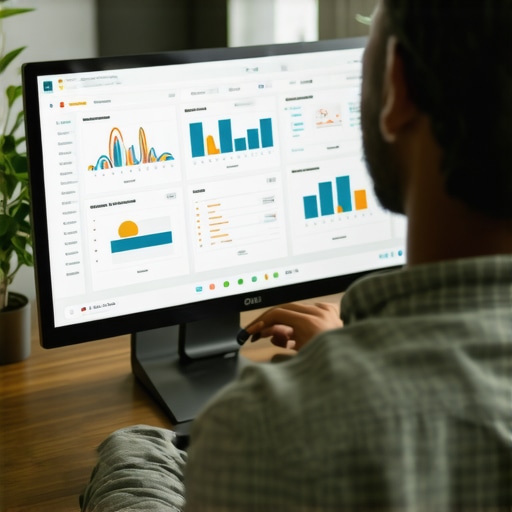
Embedding structured data with schema markup has become increasingly important in 2026. As Google’s algorithms evolve, marking your website with LocalBusiness schema ensures your profile is accurately understood and prioritized. I highly suggest implementing this if you haven’t yet; it’s a game-changer. For detailed setup, refer to Google’s official documentation on structured data for local businesses. This proactive maintenance, combined with diligent monitoring, is how I’ve kept my Cleveland clients’ rankings stable and climbing despite the ever-changing landscape of local SEO. Remember, consistent effort and the right tools will keep you ahead of the competition. Start by integrating a citation management tool today and see the difference it makes in sustaining your Ohio maps ranking success. For more advanced tactics, check out [boost your Cleveland SEO strategies](https://localseocleveland.com/boost-your-cleveland-seo-proven-strategies-to-dominate-ohio-maps-rankings).
What I Wish I Knew Before Betting On Proximity Alone
One of the biggest lessons I learned was that Google’s local algorithm is a living, breathing entity—constantly evolving and reconsidering the signals it deems most important. I initially focused solely on proximity, assuming that being nearest to the searcher guaranteed top placement. That was a costly mistake; I realized that user engagement, review quality, and website relevance now weigh heavily, often overshadowing physical closeness. Accepting this shift was a game-changer, eliminating wasted efforts and redirecting my focus towards holistic optimization strategies that truly resonate with Google’s latest preferences.
How I Discovered the Power of Technical SEO and Structured Data
Implementing schema markup and optimizing website speed transformed my approach. I underestimated how much technical details could influence local rankings until I saw quick, measurable improvements after fixing site load times and adding LocalBusiness schema. This experience taught me that technical SEO isn’t an optional add-on but a core component—especially for local businesses trying to outrank large competitors on Ohio maps. Ensuring your site is mobile-friendly, fast, and properly structured can be the difference between invisibility and visibility on Google Maps.
Why My Candle Burned at Both Ends for Local Citations
I believed that building as many citations as possible was the key—until I learned the importance of consistency. Discrepancies in NAP data across directories pretty much sabotage your rankings. After auditing and correcting listings on Yelp, Bing, and industry-specific sites, my rankings improved significantly. It became clear that quality, not quantity, is what Google cares about. To save time and boost trustworthiness, I now use citation management tools like Moz Local to ensure data harmony across every platform.
My Breakthrough with Customer Reviews and Engagement
Encouraging genuine reviews and responding to them promptly taught me that social proof directly impacts local visibility. Reviews are more than just stars; they serve as signals of relevance and trustworthiness. I once implemented a simple review request email campaign, and within weeks, I saw not only more positive feedback but also a spike in map pack rankings. Building real relationships with customers and fostering review growth is one of the most authentic ways to improve local search performance in Cleveland.
Advice From the Front Lines: Resources That Accelerated My Success
Over time, I’ve relied on specific tools to streamline my SEO efforts. BrightLocal has been invaluable for citation auditing, ensuring I never miss critical inconsistencies. Moz Local helps verify NAP data across major directories automatically, saving me frustration. For in-depth strategies, the comprehensive guide on boost your Cleveland SEO has been a cornerstone resource. These tools and resources have made a big difference, turning theory into actionable results.
Keep Moving Forward: How To Keep Your Cleveland Business Visible in 2026
The truth is, local SEO is an ongoing process—one that demands your attention, strategic tweaks, and patience. I encourage you to adopt a holistic approach, integrating technical SEO, stellar profile management, review cultivation, and content relevance. Don’t fall into the trap of thinking quick fixes will last; instead, build a resilient foundation that adapts as Google’s algorithm evolves. The future of Cleveland local rankings is promising for those willing to stay attentive and committed. Ready to take your next step? Dive into proven strategies to dominate local maps in Cleveland and start turning insights into real results today. Your local success story is just a strategic move away.
![Why Your Cleveland Shop Is Invisible on Google Maps [2026]](https://localseocleveland.com/wp-content/uploads/2026/02/Why-Your-Cleveland-Shop-Is-Invisible-on-Google-Maps-2026.jpeg)
This post really hits home for me. I’ve seen firsthand how relying solely on proximity can mislead even the most diligent local SEO efforts. After you mentioned the importance of holistic signals like user engagement and reviews, it made me reflect on my own strategy. I used to believe that just optimizing my GMB profile and building citations was enough, but I realized that neglecting technical SEO and content freshness was holding me back. One thing I’ve started doing is creating more targeted local content that resonates with Cleveland residents—adding blog posts about local events and landmarks has made a difference. Have others seen a similar boost from local content? I’d love to hear some success stories or tips on balancing these various signals to improve Google Maps rankings without going overboard on one aspect.