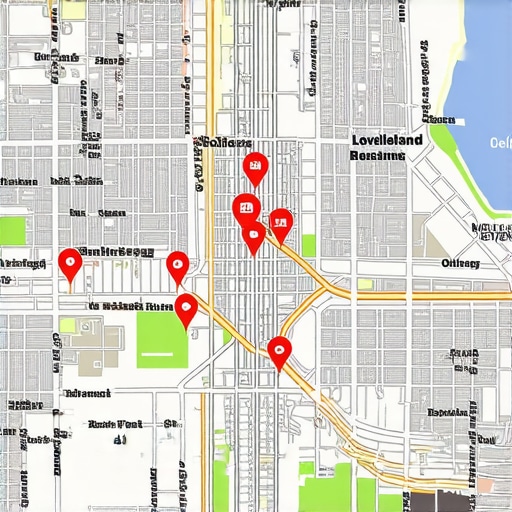
Ever spent hours trying to figure out why your Cleveland business isn’t showing up on Google Maps? I remember the frustrating moment when I realized my listing was buried under competitors, despite having a decent product and service. That lightbulb moment hit me hard — I was missing crucial local SEO tactics that could make or break my visibility. If you’ve faced the same, you’re not alone. Many local business owners in Cleveland struggle with getting noticed where it matters most. But here’s the good news: with a few proven strategies, you can elevate your Google Maps presence and attract more local customers. Today, I’ll walk you through the essential tips I’ve learned from years of experience, so you can finally dominate your local map pack and boost your business in 2024.
Why Local SEO on Google Maps is a Game-Changer for Cleveland Businesses
Think about the last time you searched for a service or product nearby. Chances are, you clicked on one of the top results in Google Maps. That spot right there? It’s prime real estate for local businesses. According to Google, 46% of all searches have local intent, meaning people are actively looking for nearby options. If your business isn’t appearing prominently, you’re losing out on a ton of potential customers. I’ve seen firsthand how small tweaks to your Google My Business (GMB) profile and local SEO tactics can skyrocket your rankings. When I first started, I made the mistake of ignoring key local signals — like consistent NAP (Name, Address, Phone Number) info and customer reviews — and paid the price with low visibility. But once I started applying the right strategies, my rankings improved dramatically. That’s why mastering local SEO is essential if you want to stay competitive in Cleveland’s bustling market.
Does It Really Make a Difference? My Early Mistake Reveals the Truth
In the beginning, I thought just listing my business was enough. I didn’t realize how much Google values consistency, reviews, and local signals. I once neglected to optimize my GMB profile properly, assuming it was just a formality. Big mistake. That oversight cost me valuable local traffic. I learned that successful local SEO isn’t about quick fixes; it’s about a comprehensive, ongoing effort. If you’re skeptical about investing time into Google Maps optimization, consider this: businesses that rank higher on Google Maps see a significant increase in foot traffic and sales. According to a study by BrightLocal, 78% of local mobile searches lead to offline purchases. That’s real money on the line. Ready to avoid my early pitfalls? Let’s dive into the core strategies that will help you claim your spot on Cleveland’s Google Maps top rankings.
Optimize Your Google My Business Profile
Start by claiming and verifying your Google My Business (GMB) listing if you haven’t already. Make sure your business name, address, and phone number (NAP) are consistent across all online platforms, including your website, social media, and directories. Upload high-quality images of your storefront, products, and team—these visuals help Google and potential customers recognize your business. Regularly update your profile with fresh posts, special offers, and events to keep your listing active. For a step-by-step guide, check out this resource.
Build and Manage Customer Reviews
Reviews are a critical ranking factor. Encourage satisfied customers to leave positive feedback on your GMB profile. Make it easy by sending follow-up emails or texts with direct review links. Respond promptly to all reviews, thanking reviewers and addressing any concerns professionally. This engagement signals to Google that your business values customer experience. Remember, reviews also influence your reputation and conversion rates. I once personally contacted a few recent customers to ask for reviews, which resulted in a noticeable boost in local rankings within weeks.
Leverage Local Keywords and Content
Identify keywords your Cleveland customers use when searching for your services. Incorporate these naturally into your website content, service descriptions, and blog posts. Use geo-specific keywords like “Cleveland” or neighborhood names to target local intent. Creating location-specific pages or blog posts about Cleveland events and news can also improve relevance. For example, I added a blog post about a popular Cleveland event, which helped my local SEO and brought in targeted traffic. To refine your keyword strategy, explore this guide.
Consistent NAP Citations and Local Listings
Ensure your business information is consistent across all online directories, such as Yelp, Bing Places, and local Cleveland directories. Discrepancies can confuse Google and hurt your rankings. Use a tool or service to audit your citations regularly. Claim and optimize your listings, including adding categories, business hours, and photos. I once used a citation management service, which cleaned up inconsistent listings and improved my local visibility significantly. For more on citation strategies, visit this article.
Technical SEO and On-Page Optimization
Optimize your website for local SEO by including your city and neighborhood names in titles, headers, and meta descriptions. Ensure your site loads quickly and is mobile-friendly, as many local searches come from smartphones. Implement schema markup for local businesses to help Google understand your info better. I improved my website’s load time and added local schema, which contributed to higher rankings. For detailed technical tips, see this resource.
Monitor and Adjust Your Strategy
Use tools like Google Search Console and Google Analytics to track your local search performance. Monitor your rankings, website traffic, and customer interactions. Adjust your tactics based on what works—if a particular keyword or post drives more traffic, focus more on that. Regularly review your GMB insights to understand user behavior and optimize accordingly. I made a habit of reviewing my analytics weekly, which helped me stay ahead of local competitors. For ongoing success, keep learning and adapting using proven strategies from this guide.
Many Cleveland business owners believe that simply listing their business on Google My Business (GMB) guarantees top rankings in local search results. However, this is a common misconception. In my experience, the real challenge lies in understanding the nuanced factors that influence your visibility on Google Maps. For example, some think that keyword stuffing or spammy backlinks can quickly improve rankings. Instead, Google prioritizes user experience, relevance, and trust signals. Over-optimizing with non-authentic tactics can actually harm your rankings and lead to penalties. To truly excel, focus on building a comprehensive local SEO strategy that aligns with Google’s evolving algorithm, such as ensuring consistent NAP citations and generating genuine reviews. For detailed insights, check out this guide.
One of the biggest traps I see is the obsession with rankings alone. Many owners chase the top spot without considering the quality of traffic or conversions. High rankings are meaningless if they don’t result in actual customers. Advanced local SEO involves optimizing for intent and relevance, not just keywords. It’s about making your business the most authoritative and trustworthy in your niche within Cleveland. This often involves leveraging local content, engaging actively with reviews, and maintaining a well-structured website. Remember, Google’s algorithm now emphasizes E-E-A-T (Expertise, Experience, Authority, Trust). If you want to stay ahead, focus on building your reputation and demonstrating value, rather than quick fixes.
What misconceptions do most people have about local SEO strategies?
Many believe that once their GMB profile is optimized, they can sit back and wait for results. In reality, local SEO is an ongoing process that requires regular updates, reviews, and engagement. For instance, neglecting review management or failing to update your profile with current offers can cause your rankings to stagnate or decline. Additionally, some think that backlinks from unrelated industries help boost local map rankings. While backlinks are important, Google’s focus on relevance and local signals means that community involvement, citations, and local content are more impactful. According to Moz’s Local Search Ranking Factors, trust signals like reviews and citations have a significant influence on local pack visibility. Staying proactive and strategic will always outperform passive approaches.
Have you ever fallen into this trap? Let me know in the comments and share your experiences with local SEO pitfalls. Remember, mastering these nuances is what separates average businesses from those dominating Cleveland’s Google Maps results.
Once you’ve optimized your Google My Business (GMB) profile and climbed the local ranks, the real challenge begins: maintaining your visibility over time. Local SEO isn’t a one-and-done task; it’s an ongoing process that requires consistent effort and the right tools. In this post, I’ll share the exact methods and software I personally use to keep my Cleveland business at the top of the map pack, ensuring long-term success and easy scaling as your business grows.
How do I maintain my local rankings without losing momentum?
Staying on top means regular review management, citation audits, and staying current with Google’s algorithm updates. I rely heavily on BrightLocal—a platform I’ve used for years to track local search rankings, monitor reviews, and audit citations. Its automated reports save me hours each week and give clear insights into what needs attention. For instance, if I notice a dip in rankings for a key keyword, BrightLocal helps identify whether a citation inconsistency or a new negative review might be the culprit. This allows me to act swiftly, fixing issues before they impact my visibility.
Another tool I swear by is Google Search Console. It’s free, but often overlooked. I use it to monitor website health, track how Google perceives my site, and identify technical issues like crawl errors or slow-loading pages. Ensuring your website is technically sound is fundamental because Google’s algorithm favors fast, mobile-friendly sites that provide a good user experience. I also set up schema markup for local businesses—this helps Google understand my business better and can boost my local pack visibility. Google’s own developer documentation is a goldmine for technical SEO insights.
What about reviews and content? How do I keep them fresh?
Reviews are the lifeblood of local SEO, and managing them is a continuous task. I use Reputation.com to streamline review solicitation and response management. The platform integrates with my email and SMS, making it easy to follow up with satisfied customers and request reviews. Responding promptly and professionally to reviews not only boosts my rankings but also builds trust with potential clients. Additionally, I maintain a blog with location-specific content—highlighting Cleveland events and news—to keep my site relevant and authoritative. Google favors fresh, relevant content, and it helps reinforce my local signals.
Are there future trends I should prepare for?
Absolutely. As local SEO evolves, predictive analytics and AI-driven tools are becoming more prominent. I recommend trying out BrightLocal’s new AI features that analyze trends and suggest optimizations customized for your local market. Staying ahead means embracing these innovations early, so I encourage you to experiment with one of these tools today. For more advanced strategies and to keep your local SEO game sharp, visit this resource.
Remember, consistency is key. By regularly auditing your citations, managing reviews, updating your website, and leveraging the right tools, you can sustain and even improve your Google Maps rankings long-term. Start today by implementing one new tool or process, and watch your local visibility grow.
The Hardest Lesson I Learned About Google Maps Optimization
One of the toughest truths I faced early on was that local SEO isn’t a set-it-and-forget-it game. I spent countless hours tweaking my GMB profile, only to see minimal results. It wasn’t until I realized that consistent engagement, like updating photos and responding to reviews, was essential that I started seeing real growth. This taught me that ongoing effort trumps quick fixes every time.
Three Myths About Local SEO That Held Me Back
I used to believe that keyword stuffing or buying backlinks would rapidly improve my rankings. Turns out, Google’s algorithms prioritize relevance, trust, and engagement over spammy tactics. Dispelling these myths allowed me to focus on authentic strategies like local content creation and review management, which truly moved the needle.
What Experts Won’t Tell You About Google Maps Domination
Most advice I found was superficial, missing the importance of citation consistency and local signal strength. The real secret is a holistic approach—aligning your NAP data across all platforms, actively managing reviews, and leveraging local keywords in a natural way. These hidden details made all the difference in my long-term success.
My Essential Toolkit for Cleveland Local SEO Success
- BrightLocal: For tracking rankings, managing reviews, and auditing citations—trustworthy and comprehensive.
- Google Search Console: To monitor website health, speed, and technical issues—free and invaluable.
- Reputation.com: Streamlines review solicitation and response, boosting engagement and rankings.
- Structured Data Markup: Implement local schema to improve Google’s understanding of your business—an underestimated advantage.
Your Turn to Try
Now that you know these lessons and tools, it’s time to take action. Regularly audit your citations, stay active with reviews, and optimize your website for local intent. Remember, local SEO is a marathon, not a sprint, but with persistence, you’ll see your Cleveland business stand out on Google Maps. What’s the first step you’re planning to implement today? Share below and let’s grow together!

![4 Little-Known Cleveland SEO Signals for More Map Clicks [2026]](https://localseocleveland.com/wp-content/uploads/2026/02/4-Little-Known-Cleveland-SEO-Signals-for-More-Map-Clicks-2026.jpeg)