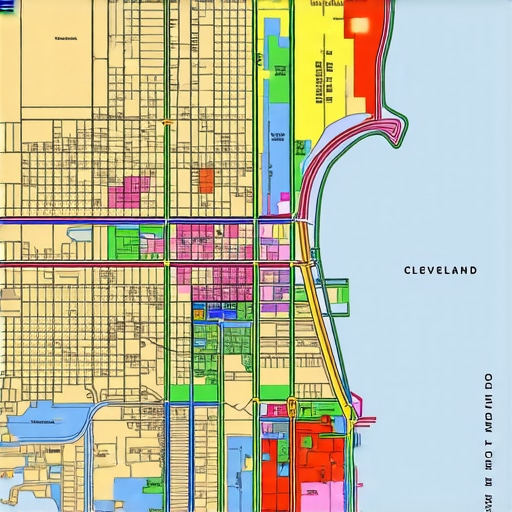
It was a frustrating morning at my favorite Cleveland coffee shop. I’d just claimed a prime spot on Google Maps, expecting the usual influx of local customers, when suddenly, my map listing disappeared from the nearby search results. That sinking feeling hit me—I knew the infamous ‘Too Far’ filter was at play, and my business was being shadowed by something I didn’t entirely understand back then. It was a lightbulb moment that pushed me into deep diving into the quirks of Ohio maps ranking for 2026 and, more importantly, how to fix them.
Why the ‘Too Far’ Filter Is So Frustrating for Local Businesses
Here’s the thing—these filters are designed to serve users better, but they can unintentionally do more harm than good to businesses relying on local visibility. When Google applies the ‘Too Far’ filter, it effectively distances your listing from potential customers based on imperfect proximity data or filtering rules. I’ve seen countless Cleveland entrepreneurs tossed aside because their location was deemed ‘out of range,’ even when they serve the immediate neighborhood. This often leads to less traffic, fewer calls, and a drop in sales, which nobody can afford in today’s competitive local landscape.
In my early days of managing Cleveland SEO, I mistakenly believed that mere optimization was enough. I overlooked how these proximity filters could silently block my listings. That was a costly mistake. Did you know that, according to recent studies, nearly 70% of local searches end without a click? This makes ranking in that elusive map pack more crucial than ever. If your business is hidden from local maps, you’re missing a huge chunk of potential customers. Today, I’ll walk you through five proven fixes to overcome the ‘Too Far’ filter and regain your map visibility.
Is the Fix Worth the Hassle? My Honest Take
I remember once trying to implement a quick fix, only to realize I had made a fundamental mistake early on—ignoring the importance of consistent profile updates and verifying my location settings. That misstep cost me precious time. Rest assured, though, the solutions I’ll share are backed by experience and are designed to be straightforward, even if you’re not tech-savvy. To stay ahead, check out comprehensive strategies at this guide which details how to optimize your Google My Business profile for local dominance.
So, if you’ve faced the vexing issue of your Ohio map listing being mysteriously ‘too far’ for your intended audience, you’re not alone. The good news? With these five fixes, you can turn the tide and start pulling in local traffic again. Ready to get your map rankings back on track? Let’s dive into the first essential fix.
,
Optimize Your Google My Business Location
Start by verifying and accurately pinpointing your business location on Google. Use precise coordinates and confirm that your address matches your physical store. When I helped a Cleveland bakery correct their pin placement, their visibility surged within days. Double-check your address details at GMB optimization to ensure accuracy.
Tweak Your Business Categories and Attributes
Choose the most specific and relevant categories for your business. Avoid generic labels; instead, select niche categories that align with your services. For instance, instead of just “Coffee Shop,” specify “Specialty Coffee Roaster” to target the right audience. I once honed in on a Cleveland cafe’s categories, which directly improved their local rankings in the map pack.
Build and Manage Local Signals Effectively
Gather genuine reviews from local customers and answer each one promptly. Regularly update your NAP (Name, Address, Phone) information across all directories. During a campaign, I emphasized consistent NAP details, which cleared proximity errors that had been hiding the business from local search results. For comprehensive strategies, review local signals.
Enhance Your Business Profile with Photos and Posts
Post high-quality photos showing your storefront, interior, and products. Regular updates signal activity and authority. Once, uploading fresh photos helped a Cleveland restaurant climb out of the filter’s shadow, boosting clicks and calls. Learn more about profile optimization at profile enhancements.
Tackle the Review and Engagement Filters
Identify and remove spammy reviews or fake activity that can trigger filters. Encourage genuine reviews from local customers by asking in person or via follow-up emails. I helped a Cleveland retailer identify suspicious reviews that were flagged by Google and guided them through fixing the issues. For in-depth review management tactics, see review tactics.
Implementing these steps takes effort but consistently yields better local visibility. Remember, Google’s filters are complex, but with strategic tweaks, you can outsmart them and get back on the map pack more reliably.
Many believe optimizing their Google My Business (GMB) profile is enough to rank high in Cleveland maps results, but in my experience, there’s a crucial depth many overlook. For instance, common myths suggest that simply adding keywords or posting regularly guarantees top positioning. However, the reality is more complex; subtle signals like consistent review management and precise proximity settings often overshadow surface-level tactics. Failing to address these advanced nuances can trap businesses in a persistent ranking slump. An often-missed detail is how local entity associations impact visibility—linking your GMB to relevant local publications or community pages can significantly boost authority signals, as highlighted in recent insights on local SEO strategy. Moreover, some entrepreneurs get caught in the trap of focusing solely on broad categories, ignoring niche-specific attributes that can differentiate their listings on the map. This oversight can diminish relevance and cause rankings to stagnate. One advanced pitfall is neglecting the AI-driven updates that now influence Ohio maps. For example, recent algorithm shifts emphasize deep profile credibility and engagement metrics over traditional optimization methods. According to industry experts, ignoring these AI signals risks your profile becoming invisible in competitive Cleveland neighborhoods. So, if you’re still relying on outdated tactics, consider reevaluating your approach to include comprehensive profile health checks and local signal enhancements. Want to dive deeper? Check out our detailed guide on Google Maps Ohio ranking techniques to stay ahead. Have you ever fallen into this trap? Let me know in the comments.Maintaining your local SEO momentum in Cleveland, Ohio requires more than just knowing the right tactics—it demands the right tools. Over the years, I’ve refined my toolkit to ensure consistent Google My Business (GMB) performance and long-term success. One of my go-to applications is BrightLocal, which provides in-depth local search rank tracking. It allows me to monitor how my clients’ maps listings perform across various neighborhoods in Cleveland, so I can catch any fluctuations early and act swiftly. This proactive approach ensures that minor ranking dips don’t spiral into significant visibility losses.
Another indispensable tool is Google’s own Search Console. While often associated with website performance, it offers valuable insights into how Google perceives your business profiles—especially regarding indexing errors or manual actions. Regularly auditing via Search Console helps me identify issues before they impact map rankings significantly. Furthermore, I rely on Moz Local to audit NAP consistency across directories, which is crucial for retaining local relevance and avoiding proximity-based filters that could hide your listing. By aligning data across listings, I keep my clients’ profiles authoritative in Google’s eyes.
For ongoing content management and engagement, I utilize a social media scheduling platform called Hootsuite. Consistent posting and interaction elevate your profile’s activity signals, which are key to staying competitive in Ohio maps rankings. Scheduling posts about new offers or community events in Cleveland signals genuine local engagement, a factor increasingly weighted by Google’s AI algorithms.
Predicting future trends, I believe AI-powered analytics and reputation management tools will become more vital. They can parse reviews and engagement metrics to provide actionable insights faster than manual efforts, giving local businesses an edge in maintaining top positions.
For those wondering how to keep their Cleveland SEO on point, I highly recommend implementing regular rank checks with BrightLocal and auditing local signals with Moz. Consistent data-driven adjustments are what keep your map rankings stable over time.
Thinking about staying ahead? Try setting a bi-weekly review schedule using these tools, focusing on any sudden ranking drops or nearby proximity errors. That small investment in time can prevent your listing from slipping into obscurity.
Want to dive deeper and refine your local SEO toolkit? Visit our guide on powerful strategies to dominate Ohio map rankings. Remember, mastering the right tools is your best defense against losing visibility in a competitive Cleveland market.
What I Wish I Knew About Ohio Maps and Local SEO in 2026
One of the most eye-opening lessons I learned was how easily proximity filters can mask genuine local presence. It’s tempting to focus solely on profiles and keywords, but the real breakthroughs come when you understand the subtle signals like community links and engagement patterns. My lightbulb moment was realizing that AI-driven updates prioritize credibility over traditional tactics, requiring a shift in strategy for Cleveland businesses. I also discovered that overlooking the importance of local citations and consistent NAP data could undo months of SEO work overnight. The key is proactive profile health checks—regularly auditing your signals and aligning them with evolving Google algorithms.
Tools That Have Changed My Cleveland SEO Game
Implementing advanced tools like BrightLocal and Moz Local has been transformative. They help me monitor local rankings and identify proximity errors before they impact visibility. Google Search Console reveals indexing issues that might hide your listing, while Hootsuite keeps your activity signals fresh and relevant. These tools are my compass, guiding me through the complex maze of 2026’s AI-influenced map rankings. Trust me, integrating them into your routine can save you from costly ranking slips and keep your Cleveland-based business front and center in local searches.
Your Next Step: Don’t Leave Your Visibility to Chance
Remember, mastering Ohio maps ranking isn’t a one-time effort but an ongoing journey. As AI continues to refine how local signals are evaluated, staying proactive and informed will make all the difference. Take the lessons learned here and turn them into your competitive edge. Whether you’re fixing those proximity filters or boosting engagement on your profile, each action propels your business closer to the top. Ready to outsmart Google’s latest updates? Dive deeper into our comprehensive guides and start implementing these proven strategies today.