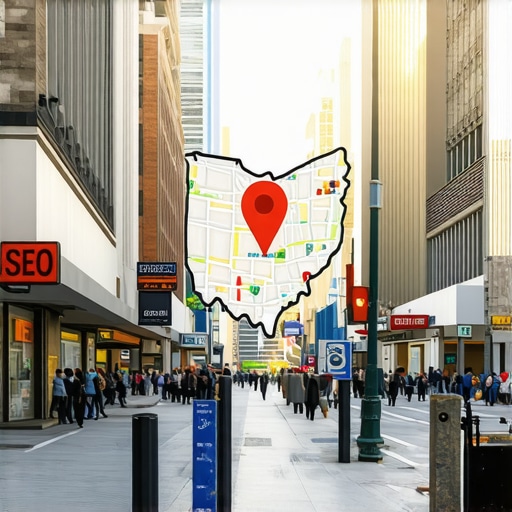
I remember one chilly morning last year, I sat cross-legged in my office, staring at my screen with a sinking feeling. Despite pouring hours into my local Cleveland business, I wasn’t showing up on Google Maps like I used to. Then it hit me — the big national chains had found a way to dominate the local search results, pushing my shop further into obscurity. It was a lightbulb moment that made me realize: staying ahead in local SEO isn’t just about keywords anymore.
Why Local SEO in Cleveland Is Crucial Now More Than Ever
In 2026, the game has changed. With Google’s maps and local packs becoming even more sophisticated, small businesses across Cleveland are feeling squeezed out. If you’re like many local shop owners I talk to, you’ve probably faced the frustration of watching big corporations outshine your efforts, even when your product or service is better. It’s a common dilemma, and honestly, it often feels unfair. But here’s the truth — these big chains aren’t just relying on mass advertising; they’re leveraging advanced local SEO tactics specifically designed to outrank smaller competitors.
Recent studies show that over 78% of local mobile searches result in an offline purchase — a statistic that’s only gaining importance as consumers become more localized in their shopping habits. This means that if your Cleveland business isn’t optimized for local search, you’re practically invisible at the exact moment customers are searching for what you offer. And that’s a serious problem. But don’t worry—I’ve uncovered four specific tactics that can help local businesses like yours turn the tables and climb higher in Google Maps rankings. Want to learn how? Keep reading.
Is It Really Worth the Hype? The Biggest Skepticism About Local SEO
I’ll admit, at first I was skeptical. I made a lot of mistakes early on—one of which was overpromising results without understanding the evolving algorithms—like believing simply optimizing my Google My Business profile was enough. That’s a trap many fall into. But once I started focusing on the right signals, I saw real improvements. If you’ve been burned by false promises or quick fixes, you’re not alone. The key is knowing which tactics actually matter in 2026, and how to avoid wasting time and money chasing after outdated myths. Want to find out how to sidestep these common pitfalls? I’ll show you exactly what worked for me and other local businesses thriving in Cleveland’s competitive landscape.
Optimize Your Google My Business Profile for Maximum Local Visibility
Start by claiming and verifying your Google My Business (GMB) profile if you haven’t done so already. Ensure all information—Name, Address, Phone number (NAP), hours, and categories—is accurate and consistent with your website. Use the right primary category that best describes your business, avoiding common mistakes like choosing vague or broad categories. Regularly update your profile with fresh posts, offers, and high-quality images—these activity signals boost your profile’s relevance and engagement, making it more attractive to Google’s local algorithms.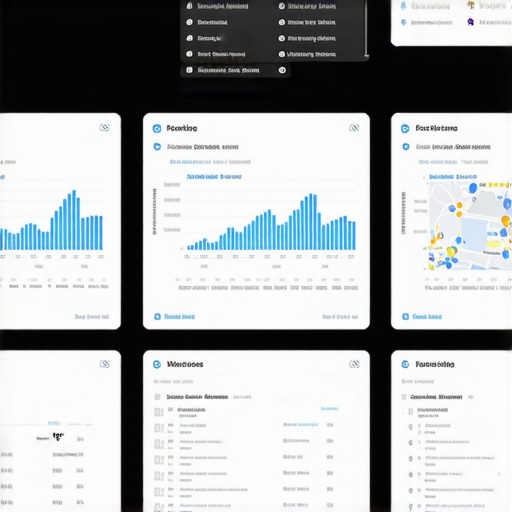
Clean Up Inaccuracies and Incomplete Data
Next, audit your profile for errors. Missing or inconsistent NAP details can hurt your ranking. Use tools or manual checks to identify discrepancies across directories and online sources—correct them swiftly. Pay close attention to your service area if applicable; improper settings may hide your profile from nearby searches. Also, ensure your service descriptions are keyword-optimized but natural, integrating location-specific terms like ‘Cleveland,’ ‘Ohio,’ or neighborhood names. This precise data helps Google associate your profile with relevant local queries effectively.
Leverage Local Signals to Build Authority
Local authority is a major ranking factor. Collect and display genuine reviews from satisfied customers—encourage happy clients to leave detailed, descriptive feedback. Respond promptly to reviews, demonstrating active engagement, which Google interprets as trustworthiness. Avoid fake or spammy reviews, as they can lead to penalties. Additionally, verify your profile’s attributes—such as wheelchair accessibility or payment methods—to align with customer expectations and boost local relevance.
Manage and Recover Hidden or Suspended Listings
If your profile is hidden or suspended, resolve these issues quickly. Common causes include policy violations or incomplete verification. To fix this, review Google’s guidelines thoroughly and re-verify your listing following their process. Sometimes, profile glitches or algorithmic filters hide listings unexpectedly. In such cases, perform an audit using resources like this detailed guide for troubleshooting and recovery strategies. Restoring visibility increases your chances of appearing in local packs and maps results.
Implement Local Keyword and Entity Signal Strategies
Traditional keyword stuffing no longer works; instead, focus on building signal-rich profiles. Use semantic keywords and local entity references naturally throughout your business descriptions, services, and posts. For instance, include neighborhood names like ‘Cleveland Heights’ or ‘Shaker Square’ alongside core keywords. This enhances your relevance for hyper-local searches. Use tools and techniques outlined in these proven strategies to refine your keyword signals. Also, update your profile attributes to reflect unique local signals, like community involvement or local services, which Google recognizes as trust and authority factors.
Monitor, Analyze, and Adjust Regularly
Finally, consistent monitoring of your GMB insights and local ranking reports is critical. Track changes in visibility, reviews, and engagement metrics. If you notice a drop, consult expert resources like this troubleshooting guide. Adapt your tactics based on data and algorithm updates, staying one step ahead of competitors. Remember, local SEO is an ongoing process, and continuous optimization ensures your Cleveland business remains prominent on Google Maps in 2026.
Many local businesses in Cleveland operate under several misconceptions about their Google My Business (GMB) strategy, often leading to missed opportunities and stagnating rankings. Let’s dig deeper into a common trap: relying solely on superficial optimizations. It’s a myth that simply filling out your profile or encouraging reviews guarantees top local map rankings. In my experience, the real secret lies in understanding and harnessing nuanced signals that Google’s algorithms now prioritize, especially in a competitive market like Cleveland. For example, ignoring the importance of consistent NAP data across all platforms can severely limit your visibility. Plus, there’s a dangerous misconception that reviews alone are enough to outrank bigger players. The truth? Advanced entities like local signals, attribute accuracy, and profile completeness play crucial roles. One common mistake I see is overlooking the significance of local semantic relevance—using natural, context-aware keywords and associations that help Google understand your exact service area. Recognize this mistake now, and you’ll be ahead of many competitors still chasing outdated tactics.
Make sure you’re not falling for the trap of thinking all reviews are equal. Google values review quality, detail, and genuine engagement, not just quantity. Also, don’t underestimate the power of optimizing your profile attributes correctly; many shops miss out on signals that can boost relevancy in specific neighborhoods or service categories. For a deeper dive into these subtle yet impactful signals, check out [these proven strategies](https://localseocleveland.com/boost-your-cleveland-seo-proven-strategies-to-dominate-ohio-maps-rankings).
Ever wondered why your Cleveland business isn’t climbing in local ranks despite what seems like perfect optimization? The answer might lie in advanced nuances, like proximity signals and local entity associations, that are often misunderstood or ignored. Navigating these dark corners of local SEO can be tricky, but understanding their impact is crucial for a serious edge. Remember, Google’s algorithms evolve constantly, favoring entities with comprehensive, multi-layered signals rather than simplistic checklists.
Need to protect your rankings from falling behind? Explore comprehensive approaches that incorporate advanced signals and avoid common pitfalls, like inconsistent data or neglecting local context. Dive into these insights and verify your strategies at our [contact page](https://localseocleveland.com/contact-us). Stay sharp, optimize smarter, and make your Cleveland business truly stand out in 2026.Maintaining your local SEO success in Cleveland requires the right combination of tools, skills, and consistent effort. Personally, I swear by a mix of advanced software and proven manual techniques that ensure my client rankings stay strong and competitive. First, I regularly audit my Google My Business (GMB) profiles using specialized auditing tools that allow me to identify and fix issues like inconsistent NAP data or hidden profile errors. These tools not only highlight technical glitches but also provide actionable insights to optimize profile signals, which are crucial in 2026’s algorithm landscape.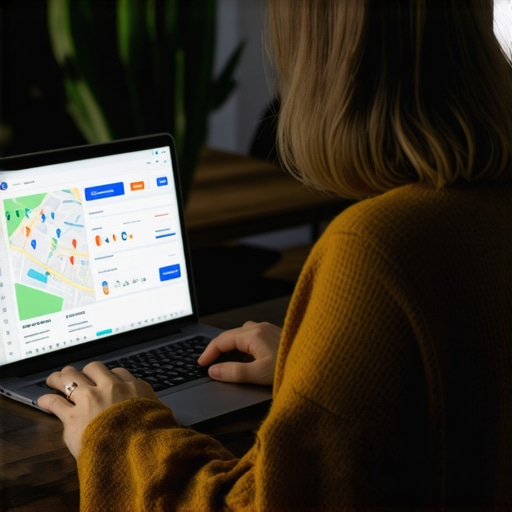
Beyond automated audits, I rely heavily on data-driven tracking platforms such as BrightLocal or Whitespark. These tools give me a granular view of local rankings, review health, and citation consistency. For instance, I monitor keyword fluctuations with BrightLocal’s rank tracking to spot potential issues before they become ranking declines. This proactive approach is essential, especially given the increased importance of local entity signals highlighted in this resource.
To keep my strategies current, I stay informed through expert articles and industry-specific insights from sources like local SEO experts. Knowing where the trend is heading—such as the rise of entity signals over traditional keywords—gives me an edge. I also utilize site and profile updates, including attribute corrections and photo optimizations, as outlined in this guide, to ensure all signals align with current ranking factors.
In practice, I recommend focusing on one powerful tactic today: **audit your profile attributes for accuracy and completeness.** Accurate attributes can surprisingly boost your relevance in local searches, especially as Google’s algorithm emphasizes trust signals more heavily in 2026. Regularly reviewing and updating these attributes keeps your profile aligned with the latest ranking standards, ensuring long-term visibility and lead flow. For more detailed, step-by-step guidance on maintaining high-performance local listings, visit this comprehensive resource.
What Taught Me the Most About Cleveland’s Local Search Landscape
One overlooked insight is how crucial consistency is. I once believed that a sleek website was enough, but I learned that conflicting NAP data across platforms can cripple rankings. The lightbulb moment was realizing that the real battle is fought in the details—every profile, review, and attribute counts in Cleveland’s competitive local scene. Another lesson: ignoring the nuance of local signals like neighborhood-specific keywords or service area settings can be a silent killer for rankings. It’s not just about presence; it’s about relevance and trust, built through continuous optimization and attention to detail. Lastly, I discovered that smaller businesses often underestimate the power of active engagement—responding to reviews, updating posts, and verifying information fuels the algorithmic boost that places you ahead of big chains. These lessons transformed my approach and could do the same for you in Cleveland’s evolving local search terrain.