I remember the moment vividly: I was staring at my Google Maps dashboard, feeling a mix of frustration and disbelief. My local Cleveland business, once thriving in the map pack, suddenly dropped off the radar in 2026. It was a gut punch. I knew something had shifted dramatically, but I didn’t quite grasp what or how to fix it. At first, I felt like shouting into the void, wondering if all my efforts had been for nothing. That lightbulb moment hit me—this wasn’t just about local rankings; it was about understanding a whole new set of signals Google was prioritizing.
The Stress of the Unexpected Rank Collapse
Looking back, I bet many local business owners in Cleveland have faced a similar dread. Your visibility is what draws in customers, and when rankings plummet unexpectedly, the risk of losing steady foot traffic becomes very real. It’s a nerve-wracking experience, especially with the 2026 Ohio Maps updates causing unprecedented shifts. I promised myself I wouldn’t let this defeat me—and I want you to feel the same. Today, I’ll share exactly how I turned things around, based on my personal journey and tested strategies that actually work.
Is Fixing Maps Rankings Worth the Hassle?
When I first faced the drop, my initial reaction was to question whether all the SEO effort was even worth it. Honestly, I was skeptical, just like many Cleveland shop owners. I made a crucial mistake early on—I assumed Google’s changes were just a passing phase. I didn’t realize that adapting my approach was vital to staying visible. Trust me, understanding the evolving signals, like in Ohio Maps ranking secrets, made all the difference. If you’re asking whether it’s worth the effort, I can tell you—it absolutely is, especially when you’re armed with the right tactics. Now, let’s dive into how I cracked the code and how you can do the same.
Optimize Your Google My Business Profile
Start by claiming and thoroughly filling out your GMB listing. Ensure your business name, address, and phone number (NAP) are consistent across all platforms. Use precise categories relevant to your Cleveland business to tell Google exactly what you do. Incorporate primary keywords naturally into your business description, emphasizing local keywords like “Cleveland SEO” or “Ohio Maps ranking.” This signals relevance to Google and helps your listing appear for local searches. Next, upload high-quality photos showcasing your business, products, and storefront to boost engagement and trust.
Leverage Local Signals to Outperform Competitors
Conduct a competitors’ analysis using tools or the mapping tips outlined in Ohio Maps ranking secrets. Identify their strongest signals and replicate or surpass them. Focus on building local backlinks, such as citations from Cleveland directories or industry-specific sites. Gather genuine reviews consistently, as outlined in review hacks. Respond to reviews promptly to increase engagement and signal activity to Google, making your profile more prominent.
Becoming Visible: The Power of Consistency
Consistency is key. Schedule weekly updates to your business profile—adding new photos, posts, and responding to customer queries. Use Google Posts strategically; share timely offers or news relevant to Cleveland residents. The goal is to keep your profile active, as active profiles are favored in the 2026 local map pack. Remember, Google wants to see signs of a thriving, genuine business—avoid spammy tactics outlined in review spam fixes.
Enhance Visibility with On-Page and Off-Page SEO
Apart from your GMB, optimize your website for local SEO. Foster local citations from Cleveland business directories and link to your GMB profile to reinforce local signals. Use schema markup to specify your locality and business type, increasing your relevance in local searches. Consider content marketing focusing on Cleveland-specific topics to attract local links and traffic, as detailed in local SEO strategies.
Utilize AI and Map Pack Signals Smartly
Stay ahead by understanding AI’s role in 2026 Map Pack changes. Adjust your profile to include AI-preferred signals such as updated attributes, specific service areas, and optimized photos. Regularly audit your signals using tools recommended in AI-focused SEO tactics. Remember, Google favors profiles that reflect recent, accurate, and comprehensive local information—keep your data current.
Monitor, Adjust, and Persist
Implement tracking using Google Insights and third-party tools to monitor your profile’s performance over time. If you notice dips, revisit your optimization strategies, citing references like review management tips. Persistence beats quick tricks—consistent updates, active engagement, and strategic SEO adjustments will cement your spot in the 2026 Cleveland map pack.
 Many local business owners assume that optimizing their Google My Business (GMB) profile with keywords and reviews is enough for top rankings in Cleveland’s competitive maps pack. However, in my experience, this approach overlooks the nuanced signals Google now heavily relies on, such as entity-based relevance and proximity factors. A prevalent myth is that keyword stuffing and accumulating reviews alone will keep you on top; in reality, Google’s algorithm prioritzes comprehensive optimization, including local entity signals and structured data, as detailed in the cornerstone content on local SEO strategies. Another misconception is that once you rank high, your position is secure. The truth is, rankings are dynamic and require ongoing adjustments, especially with the evolving AI-driven signals in 2026, as discussed in AI-focused tactics. An advanced mistake many overlook is neglecting your website’s local schema markup; without proper structured data, Google may not fully trust your relevance, which impacts both visibility and click-through rates. According to expert studies on local entity SEO, structured data can improve rankings significantly when correctly implemented. You might also believe that proximity is the only factor that matters; in fact, Google’s algorithms now weigh a blend of signals like local content relevance, Google reviews quality, and behavioral metrics. Ignoring these can hinder your Map Pack performance. Have you ever fallen into this trap? Let me know in the comments and ensure your Cleveland business isn’t missing out on meaningful local visibility.
Keep Your Map Rankings Consistent with Proven Tools
Maintaining top local maps rankings in Cleveland requires more than just initial optimization. I personally rely on a combination of advanced tools to ensure my profile stays optimized and competitive. For example, BrightLocal has been invaluable for tracking local search rankings and citation consistency. Its detailed reports help me identify fluctuations quickly, so I can respond proactively. Additionally, Moz Local streamlines citation management across Cleveland directories, ensuring my NAP data remains unified and accurate. These tools enable me to stay vigilant against discrepancies that can harm my visibility, especially with the fluctuating signals in 2026.
Furthermore, I utilize Google Search Console and Google Business Profile Manager to monitor profile insights and quickly enact updates or respond to reviews. These official tools give me real-time data, allowing me to adapt my strategy in response to changing Google signals.
Automate Content and Review Monitoring for Long-Term Gains
In my experience, automating review monitoring through tools like BirdEye ensures I never miss critical feedback from Cleveland customers. Responding to reviews promptly not only boosts engagement signals but also safeguards my local SEO. I also schedule regular updates to my Google Posts using third-party social management tools, reinforcing active presence—key in the evolving AI landscape of 2026.
Scale Your Efforts Without Losing Focus
Scaling your local SEO in Cleveland means investing in automation and delegation. As I grow my presence, I plan to incorporate SEMrush for comprehensive keyword tracking and competitor analysis, revealing new opportunities to outrank large chains. Regular audits using these tools help me detect and fix issues like proximity errors or conflicting signals, which are common pitfalls in long-term maintenance.
Looking ahead, I believe AI will increasingly influence local ranking factors. Staying ahead involves leveraging advanced tools that detect AI-driven signal shifts—like the AI-focused tactics discussed in this article. Try implementing a dedicated citation consistency checker or profile audit tool—these can significantly reduce manual workload and prevent ranking drops.
How do I maintain Cleveland Maps Rankings over time?
To sustain your high rankings, schedule regular profile audits, citation updates, and review responses. Use tools like BrightLocal and Moz Local consistently, and stay updated on Google’s latest signals through trusted sources. Remember, the landscape shifts continually, so proactive management is key to long-term success. Visit our contact page for tailored strategies or to ask about specific tools that suit your business.
Start simple—pick one of these advanced tools and set a recurring reminder to review your local profile. Small, consistent actions build resilience against algorithm changes and keep your Cleveland business visible in the map pack.
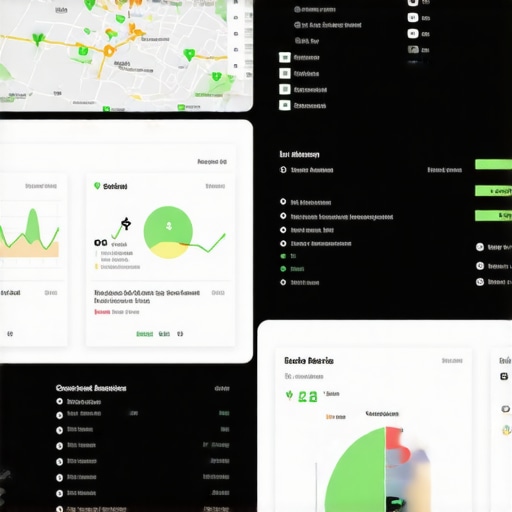 Image prompt: Close-up of a digital dashboard displaying local SEO metrics and citation analytics, with Cleveland city map in background. Alt: Digital dashboard for local SEO monitoring in Cleveland. Title: Cleveland Local SEO Tools Dashboard.
What I Wish I Knew When I Started FIGHTING for Cleveland Map Dominance
Early in my journey, I underestimated the power of entity signals over simple keyword optimization. It took a harsh drop in rankings to realize Google was prioritizing relevance beyond keywords, especially in 2026’s AI era.
I learned that local citations and structured data are my secret weapons. Ignoring these was like trying to win a race without shoes—inefficient and frustrating, until I embraced comprehensive strategy.
Sometimes, I got caught up in chasing reviews but overlooked that active profile signals and post consistency matter even more. It’s about creating a vibrant, trustworthy presence that Google perceives as authoritative, not just popular.
Tools That Turned My Cleveland SEO Game Around
My must-have toolkit includes proven local SEO strategies that are rooted in foundational principles, not quick tricks. I trust BrightLocal for rank tracking because it reveals fluctuations early, allowing swift adjustments.
For citation consistency, Moz Local has never let me down—keeping my data unified across Cleveland directories, which is critical when algorithm signals evolve rapidly. Lastly, Google Search Console remains my window into real-time insights and technical issues that can silently degrade visibility.
Embracing the Future with Confidence
Your next success story starts today. Whether you’re beginning to optimize your Cleveland business or refining your existing map pack setup, remember that persistent, informed action beats passive strategies. Dive into the tools and tactics that serve as the backbone of resilient local SEO. Your Cleveland business can dominate the 2026 map pack, and I believe you’re ready to make it happen.
What’s the most unexpected lesson you’ve learned about local rankings? Drop your experience below and let’s grow together!